
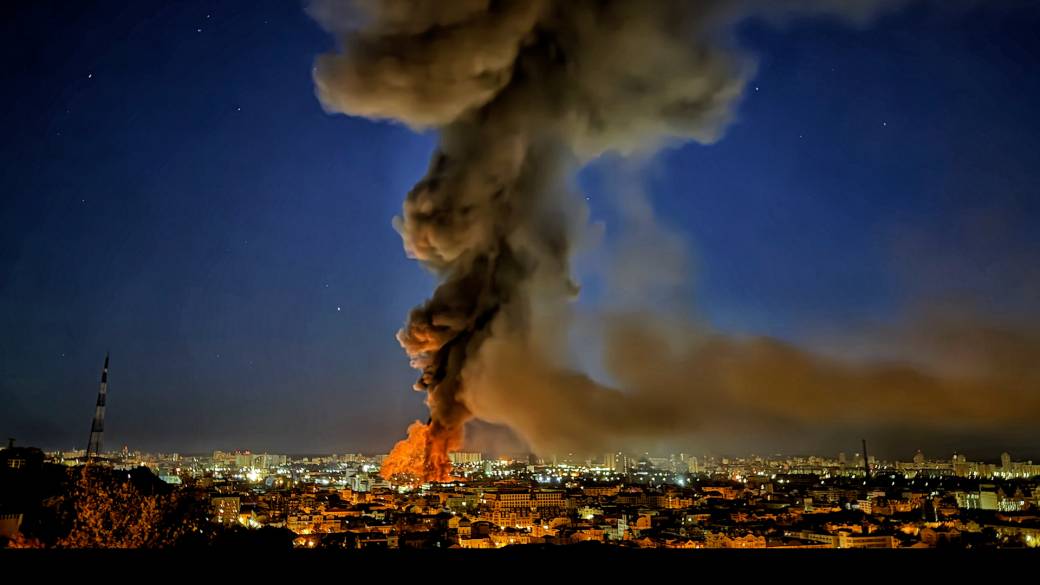
The world is watching several major developments today as conflicts, diplomacy, extreme weather, elections, humanitarian emergencies, and artificial intelligence dominate international headlines. The United Nations General Assembly in New York has become a major center of global diplomacy, while events in the Middle East, Ukraine, Japan, Africa, and other regions continue to develop.
Here are some of the top global news stories making headlines today, September 23, 2026.
UN General Assembly Takes Center Stage
World leaders are gathering in New York for the high-level week of the 81st session of the United Nations General Assembly. The general debate began on September 22 and continues through September 28, with international security, climate action, development, artificial intelligence, and ongoing wars high on the agenda.
The U.S.-Iran conflict has become one of the biggest subjects of discussion. U.S. President Donald Trump defended his administration’s decision to go to war with Iran during his UN address while also indicating that negotiations could still produce an agreement. Iranian officials have continued to criticize U.S. military action while leaving open questions about future diplomacy.
The discussions are being closely watched because the conflict has consequences well beyond the two countries. Energy markets, Gulf security, shipping routes, and regional alliances could all be affected by what happens next.
Russia Ukraine War Remains Intense
The war between Russia and Ukraine remains another major international story.
Both countries have continued carrying out strikes while diplomatic discussions take place around the UN meetings. Recent Russian missile and drone attacks caused deaths and damage in several Ukrainian regions, while Ukrainian forces have targeted Russian oil infrastructure.
Ukrainian President Volodymyr Zelenskyy has indicated that Ukraine could halt attacks on Russian energy infrastructure if Russia stops targeting Ukrainian energy facilities. The proposal has raised the possibility of a limited energy-related truce, although fighting continues and no comprehensive ceasefire has been reached.
Energy security remains especially important because damage to oil, gas, and electricity infrastructure can affect prices and supplies far outside the region.
Yemen Fighting Drives New Displacement
Yemen is again facing rapidly growing humanitarian pressure as fighting intensifies.
According to UNHCR data published on September 22, around 128,000 people have been newly displaced since the latest escalation began in September. That comes on top of roughly 5.2 million internally displaced people already living in Yemen.
Thousands of people have also crossed the Bab el-Mandeb Strait toward Djibouti. UNHCR reported that nearly 3,000 people arrived in Djibouti within less than a week earlier this month, while many more remained unable to leave because of insecurity and shortages.
Fighting involving Houthi forces and their opponents is attracting broader international attention because Yemen sits beside important global shipping routes connecting the Red Sea with the Gulf of Aden.
Typhoon Dujuan Hits Japan Hard
Japan is dealing with the aftermath of Typhoon Dujuan after torrential rain caused serious flooding and landslides around the greater Tokyo region.
The latest Kyodo report carried by Bernama on September 23 said the confirmed death toll had risen to nine, with four people still missing. Six of the reported deaths occurred in Chiba Prefecture and three in Kanagawa.
Record rainfall was recorded in parts of the region. Oshima Island received 832 millimeters of rain over a 48-hour period, while heavy rainfall caused widespread travel disruption and power outages.
Search and recovery efforts have continued in areas affected by landslides and flooding even as the storm moved away from Japan and weakened.
Powerful Hurricane Threatens Mexico
Extreme weather is also making headlines across the Pacific.
Hurricane Polo strengthened into a Category 5 hurricane off Mexico’s southwestern coast, with sustained winds reported at about 165 mph, or 266 kilometers per hour. The storm was expected to remain offshore, but authorities warned that heavy rainfall could affect Guerrero, Michoacán and neighboring states.
The rainfall could produce flash floods and landslides, particularly in vulnerable mountainous areas. Schools in some affected regions have been closed as officials prepare for dangerous weather.
The hurricane comes as countries around the world continue dealing with unusually destructive storms, floods, wildfires, and other climate-related hazards.
Morocco Votes in Parliamentary Election
Morocco’s parliamentary election is another major story attracting international attention.
Candidates from 27 political parties are competing for 395 parliamentary seats. Employment, healthcare, education, housing costs, inequality, and economic opportunity have become important issues during the campaign.
Young voters are receiving particular attention. Morocco has experienced youth-led protests and growing frustration over jobs and economic opportunities. Youth unemployment among people aged 15 to 24 reached 37 percent in 2025, according to figures cited by the Associated Press.
The incoming government will also oversee preparations connected with Morocco’s role as a co-host of the 2030 FIFA World Cup.
Sudan Mine Disasters Deepen Crisis
Sudan continues to face overlapping humanitarian, economic, and security emergencies.
At least 11 miners were killed and 30 injured when a gold mine shaft collapsed in northeastern Sudan, according to reporting published this week. The accident came only days after another major mine collapse in West Kordofan reportedly killed at least 82 people.
Informal gold mining has become increasingly important for people trying to survive during Sudan’s prolonged war, but many mines operate with limited safety standards and little rescue equipment.
The mining disasters are unfolding alongside the wider conflict between Sudan’s military and the Rapid Support Forces, which has displaced millions of people and contributed to severe food insecurity.
Countries Push for Global AI Rules
Artificial intelligence has moved from being mainly a technology story to becoming a major international policy issue.
Leaders from more than 20 countries and the European Union have backed a statement calling for stronger international cooperation over advanced AI systems. The proposal includes coordinated safety standards, independent evaluation, reporting of serious incidents, and consideration of an international institution that could help oversee advanced AI development.
Separately, the United States and China have been discussing ways to communicate about serious AI-related incidents despite their broader competition in advanced technology. U.S. officials have proposed an incident-notification mechanism as one possible area of cooperation.
The debate shows how AI governance is increasingly being treated alongside traditional issues such as trade, security, energy, and diplomacy.
Global Attention Stays on Fast Moving Events
Today’s global headlines show how closely connected international events have become. Wars in the Middle East and Ukraine can influence energy and food markets. Extreme weather can disrupt transportation and economic activity. Elections can reshape national priorities, while artificial intelligence is creating an entirely new area of international diplomacy.
The UN General Assembly is giving world leaders an opportunity to discuss many of these issues at the same time. Still, several of today’s biggest stories remain fluid, and casualty figures, diplomatic positions, humanitarian conditions, and negotiations may change as new information becomes available.
For now, conflict, diplomacy, extreme weather, elections, humanitarian emergencies, and AI governance remain among the top global news stories making headlines today.